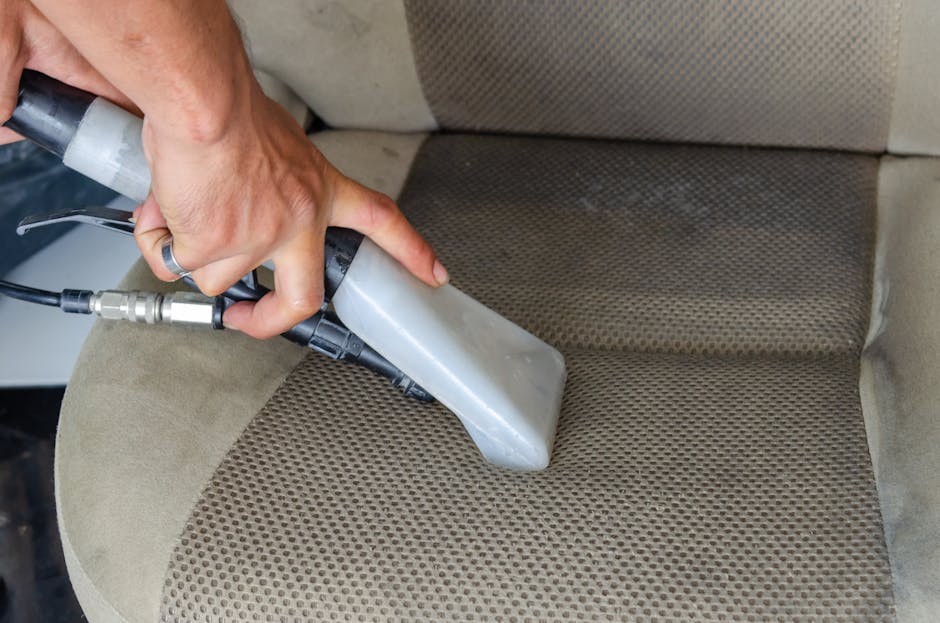
Eel Pie Island upholstery cleaning after riverside events

When a riverside gathering ends on Eel Pie Island, the room can look calm again surprisingly fast - but your upholstery often tells a different story. A damp patch on the armchair, a faint drink ring on the sofa, muddy footprints near the window seat, maybe that slightly sour smell that only seems to appear the next morning. Eel Pie Island upholstery cleaning after riverside events is about dealing with that reality properly, before small marks become permanent ones.
This guide walks through what the cleaning process involves, why it matters after waterfront celebrations, how to avoid common mistakes, and when professional help makes the most sense. If you are hosting guests, managing a holiday let, or simply trying to rescue a favourite fabric chair after a lively evening, you will find a clear practical path here. No fuss. Just the stuff that actually helps.
- Why it matters
- How the cleaning process works
- Key benefits and practical advantages
- Who needs this and when it makes sense
- Step-by-step guidance
- Expert tips for better results
- Common mistakes to avoid
- Tools, resources and recommendations
- Law, compliance, standards and best practice
- Options and method comparison
- Case study or real-world example
- Practical checklist
- Conclusion
- Frequently asked questions
Why Eel Pie Island upholstery cleaning after riverside events Matters
Riverside events bring a particular mix of charm and mess. There is humidity from the water, more footfall than usual, and often a steady trail of wet coats, muddy shoes, and spilled drinks. On Eel Pie Island, that mix can be even more noticeable because the setting encourages relaxed entertaining. People linger. Cushions get sat on for hours. Someone leans a damp jacket over the sofa and thinks nothing of it. Then, later, the fabric feels claggy and the room smells a bit off. Not ideal.
Upholstery is more vulnerable than many people realise. Fabric absorbs liquid quickly, collects skin oils, and traps fine particles from outdoors. After a riverside gathering, you are not just dealing with a visible stain. You may also be dealing with moisture that can seep deeper into the padding, where it takes longer to dry and can create lingering odours. That is one reason timely upholstery cleaning matters: it helps prevent a simple spill from becoming a bigger problem.
There is also the practical side. If the furniture is in a home used for hosting, short lets, or frequent family gatherings, a neglected patch here and there makes the whole room feel tired. Clean upholstery resets the space. It makes a room feel fresh again, and frankly, that matters more than people admit. You notice it when you sit down.
Expert summary: After riverside events, upholstery cleaning is less about appearance alone and more about moisture control, stain prevention, odour removal, and keeping fabrics in usable condition for the long run.
For related home-cleaning support, some readers also look at deep cleaning services when the whole property needs a reset, or one-off cleaning when the aftermath is more event-driven than routine.
How Eel Pie Island upholstery cleaning after riverside events Works
Good upholstery cleaning starts with assessment, not scrubbing. That may sound obvious, but it is where many problems begin. Different fabrics react very differently to moisture, heat, and cleaning chemistry. Cotton blends, synthetics, velvet, wool mixes, and delicate weaves all need slightly different handling. If you go in too aggressively, you can set a stain, roughen the pile, or leave a water tide mark behind. Annoying, and avoidable.
The process usually begins with identifying the fabric type, the nature of the stain, and how long it has been there. A red wine spill from last night is very different from a muddy imprint that has already dried into the fibres. From there, the cleaner chooses a suitable method. In many cases that means targeted pre-treatment, gentle agitation, extraction, and careful drying. Sometimes low-moisture cleaning is best. Sometimes a more thorough hot-water extraction approach is appropriate. It depends on the upholstery, not just the mess.
After riverside events, drying becomes especially important. The local environment can be humid, and that slows evaporation. You do not want the cushions staying damp overnight if it can be avoided. Good practice is to increase ventilation, avoid over-wetting, and make sure the fabric and underlying filling dry properly. You can clean a sofa beautifully and still end up unhappy if it smells musty two days later. Been there? Plenty of people have.
Professional upholstery cleaning normally follows this broad sequence:
- Inspect the fabric, labels, and condition of the item.
- Identify visible stains, odours, and high-contact areas.
- Vacuum loose soil and debris from seams and edges.
- Pre-treat spots with a suitable solution.
- Clean using the safest effective method for the fabric.
- Extract moisture and residues carefully.
- Speed drying with airflow, where appropriate.
- Review the finish and check for lingering marks or odour.
If the upholstery is part of a larger post-event tidy-up, it can be helpful to combine it with sofa cleaning or wider carpet cleaning so the whole seating area feels consistent again.
Key Benefits and Practical Advantages
The immediate benefit is obvious: the sofa looks better. But to be fair, that is only part of the story.
1. Better stain recovery. Fresh spills and marks are far easier to lift than old, dried-in stains. Acting quickly can be the difference between a clean finish and a permanent shadow on the fabric.
2. Odour control. Riverside moisture, food, drink, and body warmth can combine into a smell that lingers. Cleaning removes trapped residue and helps the room feel fresh again.
3. Less risk of mildew or mould growth. This is especially relevant where furniture has absorbed moisture or stayed damp for too long. Not every damp patch becomes a mould issue, of course, but the risk is worth reducing early.
4. Longer furniture life. Dirt acts a bit like sandpaper over time. It wears the fabric. Regular cleaning removes abrasive particles and helps the upholstery hold up better.
5. Better guest experience. If you host visitors, tenants, or clients, clean seating quietly improves the whole impression of the property. People do notice, even if they do not say it out loud.
6. Less stress after the event. There is something deeply reassuring about knowing the aftermath is under control. The house can breathe again. You can too.
One small but important advantage is that proper cleaning often reveals hidden issues early. A seam split, a weak patch, a loose cushion zip - these things are easier to spot once the surface grime is gone. That gives you time to deal with them before the next event, which is a nice little win.
Who This Is For and When It Makes Sense
This service is not just for people with grand parties. In practice, it suits a pretty wide range of situations.
Homeowners and tenants who have hosted a birthday, dinner, riverside drinks, or a family get-together often need quick, sensible upholstery care afterwards. If the furniture is central to the room, a good clean restores order fast.
Holiday let and short-let hosts have even more reason to act promptly. Guests may not mention a minor spill, but the next booking certainly will notice if a sofa smells damp or looks marked.
Landlords and property managers may need upholstery cleaning after events, move-ins, or communal gatherings. It is one of those small maintenance tasks that protects the wider presentation of the property.
Cafes, studios, and small venues near the riverside can also find themselves with fabric chairs or benches that need a refresh after a busy weekend. The job may be more commercial than domestic, but the principles are much the same.
When does it make sense to book a professional clean rather than trying to handle it yourself? Usually when one or more of these apply:
- The stain is large, coloured, or oily.
- The fabric is delicate, expensive, or labelled with caution symbols.
- There is a smell that suggests liquid has reached deeper layers.
- The upholstery has already been cleaned once and still looks patchy.
- You need the room back in use quickly and reliably.
Truth be told, if you are staring at a pale sofa with a red drink stain and feeling a bit helpless, that is usually a sign to slow down and choose the safest route.
Step-by-Step Guidance
If you want the best chance of a clean result after a riverside event, approach it methodically. Speed matters, but so does sequence.
1. Act as soon as practical
Blot spills with a clean, absorbent cloth. Do not rub. Rubbing pushes liquid deeper and can spread the stain. If there is any loose debris, lift it gently first. If the event has just finished and the fabric is still slightly damp, this first response can save a lot of trouble later.
2. Check the care label
Furniture often carries cleaning codes or fabric guidance. These are not perfect, but they are useful. They tell you whether water-based cleaning, solvent-based cleaning, or professional-only care is safer. If the label is missing or unclear, be conservative. Guessing is rarely a good plan here.
3. Vacuum the full piece
Before any liquid treatment, remove crumbs, grit, pet hair, and event debris from seams, creases, and under cushions. You will get a better result if the surface is genuinely free of loose dirt first. Otherwise you are just making a muddy little soup, and nobody wants that.
4. Test cleaning products on an unseen patch
Even mild products can affect colour or texture. Always test somewhere hidden, such as the back edge or underside of a cushion. Wait for it to dry before judging the result. Some fabrics look fine while wet and then change tone once dry. Sneaky, really.
5. Treat the stain carefully
Use a suitable upholstery cleaner or a professional-grade method designed for the fabric type. Apply lightly. Work from the outside of the stain inward to prevent spreading. For odours, address the source rather than just masking the smell. A pleasant fragrance over damp residue is not the same thing as clean.
6. Control moisture
Do not saturate the fabric. Too much water can cause wicking, where dissolved soil rises back to the surface as the item dries. That leaves a ring or shadow that appears after the cleaning looks finished. Annoying, but common enough.
7. Dry thoroughly
Open windows if the weather and security allow, use fans where appropriate, and keep the room well ventilated. Avoid sitting on the upholstery too early. It sounds obvious, but people do it anyway. We all do, sometimes.
8. Review once dry
Check for residual staining, smell, or flattening of the pile. If the fabric still looks uneven, a second safe pass may be needed, or it may be time to call in a specialist. The final result should feel fresh and stable, not merely less bad.
Expert Tips for Better Results
These are the small habits that make a decent clean turn into a proper one.
- Work from lightest to heaviest contamination. Clean the least dirty areas first so you do not drag residue into cleaner sections.
- Use gentle, repeated action rather than force. Short passes often beat one aggressive attempt.
- Prioritise airflow. Good ventilation matters just as much as the cleaning product on humid riverside days.
- Keep a microfiber cloth, absorbent towel, and plain white paper towels nearby. Simple tools are often the most useful in the first ten minutes.
- Lift cushions and clean underneath. The hidden areas hold crumbs, moisture, and odour much more than people expect.
- Do not ignore the arms and headrest zones. These are high-contact areas that often look fine until you inspect them in daylight.
A useful rule of thumb: if the stain has a strong colour, an unknown source, or a greasy feel, treat it cautiously. Try not to improvise with whatever bottle is under the sink. Kitchens are full of temptation in that regard, and not all of it is wise.
Another practical point. If the event ran late into the evening and you are cleaning the next morning, natural daylight helps you see marks far better than warm indoor light. It is amazing how many "clean" patches are not quite clean once the sun comes through the window.
Common Mistakes to Avoid
Most upholstery damage after events comes from rushed or overly confident cleaning. That sounds harsh, but it is true.
Scrubbing hard. This pushes dirt deeper and can roughen fibres. It is one of the fastest ways to make a stain look larger.
Using too much water. A soaked seat can take ages to dry, especially near the river. Deep moisture also increases the risk of odour.
Skipping the test patch. It feels like a time-saver right up until the colour changes.
Using household bleach or strong random cleaners. These can discolour fabrics or damage the backing and foam.
Covering the problem before it is dry. Throwing a blanket over a damp chair traps moisture and can create a smell you really do not want.
Ignoring hidden contamination. If a drink has soaked into the base or cushions, a surface clean alone may not solve the issue. The furniture might look fine but still feel stale.
One more thing: do not wait so long that the stain becomes part of the furniture's story. Furniture has enough personality already.
Tools, Resources and Recommendations
You do not need a huge kit to handle a modest post-event clean, but a few sensible tools make a real difference. The aim is control, not drama.
- Microfiber cloths for blotting and gentle lifting.
- Soft upholstery brush for loosening surface soil without damaging fibres.
- Vacuum with upholstery attachment for seams, creases, and cushion edges.
- Clean white towels or paper towels to avoid dye transfer.
- Fans or good ventilation to speed drying.
- Fabric-safe upholstery cleaner suitable for the specific material.
- Protective gloves if using cleaning products for extended periods.
If you are looking at a broader refresh rather than one sofa or chair, it may be sensible to combine upholstery care with domestic cleaning or even house cleaning so the full living space gets back to normal in one go.
For customers comparing providers, it is worth checking service transparency too. The pages on pricing and quotes, insurance and safety, and health and safety policy can give a clearer picture of what a professional, accountable service should address.
Law, Compliance, Standards and Best Practice
Upholstery cleaning itself is not usually the kind of thing that involves heavy regulation for a homeowner, but there are still sensible standards to follow. In the UK, the main concerns are safety, product use, and proper care of fabrics and furnishings.
If you hire a cleaning company, it is reasonable to expect them to work safely, use suitable cleaning methods, and have appropriate insurance in place. You should also expect honest guidance if a fabric is too delicate for a certain method. Good providers do not overpromise. They explain the limits clearly, which is refreshing, really.
For properties with tenants, guests, or staff, cleanliness and maintenance also connect to general duty-of-care expectations. That does not mean every stain becomes a legal issue. It means you should avoid leaving furniture in a state that creates avoidable odour, slip, or hygiene concerns. If you are unsure about a specific situation, especially where damage or moisture persists, seek informed advice rather than guessing.
There are also practical best-practice points that matter even when the law is not directly involved:
- Use products according to instructions.
- Do not mix cleaners unless you are certain they are compatible.
- Ventilate the room when using cleaning agents.
- Keep children and pets away until the upholstery is fully dry.
- Document damage if the furniture belongs to a landlord, venue, or managed property.
For customers who value accountability, it is sensible to review pages such as terms and conditions, privacy policy, and payment and security. They help set expectations before any work begins.
Options, Methods, or Comparison Table
There is no single best cleaning method for every piece of upholstery. The right choice depends on fabric type, soil level, moisture sensitivity, and how fast you need the item back in use.
| Method | Best for | Strengths | Watch-outs |
|---|---|---|---|
| Spot cleaning | Small fresh spills or isolated marks | Quick, targeted, low disruption | Can leave tide marks if over-wet |
| Low-moisture cleaning | Delicate fabrics or faster turnaround | Less drying time, reduced saturation | May not remove deep contamination alone |
| Hot-water extraction | Heavily soiled or used seating | Thorough soil removal and deep refresh | Needs careful drying and fabric suitability |
| Dry solvent-style cleaning | Certain delicate or specialist fabrics | Useful where water is risky | Must be matched correctly to the material |
| Professional multi-step clean | Mixed stains, odours, and larger event aftermath | Balanced approach with proper assessment | Usually costs more than DIY, but often worth it |
In plain English: if the issue is a tiny fresh mark, careful spot cleaning may be enough. If the event involved several drinks, damp coats, food spills, and a room that now smells a bit lived-in, a fuller professional clean is usually the safer choice.
Case Study or Real-World Example
A practical example helps here. Imagine a small Eel Pie Island gathering on a warm evening. Doors and windows were open, the seating area was busy, and by the end of the night one linen-blend sofa had a wine splash on the arm, a few muddy scuffs near the base, and a faint damp smell the next morning. Nothing dramatic. Just enough to be annoying.
The first response was to blot the wine carefully and lift the loose dirt with a vacuum once everything had dried slightly. A hidden corner was tested with a suitable cleaner, then the stained area was treated in small sections rather than soaked. A fan and open windows did the rest. The visible mark improved quickly, but the real win was moisture control. The sofa was dry by the next day, and the room no longer had that half-finished event smell. Simple, but effective.
What made the difference was restraint. No frantic scrubbing, no over-wetting, no "let's just spray more and hope". That kind of calm approach saves more upholstery than most people expect.
If the damage had been heavier - a full glass of red wine, or a soaked scatter cushion - it would have been wiser to bring in a specialist straight away. And that is not failure. It is sensible judgement.
Practical Checklist
Use this checklist after riverside events to keep upholstery in good shape.
- Blot any spill immediately with a clean cloth.
- Remove crumbs, sand, and loose debris from seams and cushions.
- Check the care label before applying any product.
- Test cleaners on a hidden patch first.
- Use minimal moisture and avoid soaking the fabric.
- Treat stains from the outside in.
- Increase airflow to help everything dry fully.
- Inspect for odour once the upholstery is dry.
- Repeat gentle treatment only if the fabric is responding well.
- Book a professional clean if the stain is large, old, or uncertain.
Quick takeaway: The cleaner the fabric is handled in the first few hours, the better the outcome. That said, even older marks can often be improved with the right method. Not always erased, but improved enough to matter.
Conclusion
Eel Pie Island upholstery cleaning after riverside events is really about restoring comfort, freshness, and confidence in the room. You are not just removing a mark. You are protecting the fabric, reducing odour, preventing moisture problems, and making the space feel like home again.
Whether you are dealing with a single spill after a family gathering or a more involved post-event cleanup after a lively evening by the water, the same principles apply: act early, clean gently, dry thoroughly, and do not push a delicate fabric beyond its limits. That balanced approach saves time, money, and quite a bit of frustration.
If you want the upholstery to look right without the guesswork, getting help from a trusted local cleaning service is often the easiest next step. Calm hands, the right method, and a sensible plan can make all the difference.
Get a free quote today and see how much you can save.
And if the sofa looks a little tired tonight, do not worry. With the right care, it can bounce back better than you think.
Frequently Asked Questions
How soon should I clean upholstery after a riverside event?
As soon as practical. Fresh spills are much easier to remove than dried ones, and moisture has less time to sink into the filling. If you cannot do a full clean immediately, at least blot the spill, improve airflow, and avoid covering the area until it is dry.
Can I use household detergent on sofa fabric?
Sometimes, but only with caution. Many household detergents are too strong, too foamy, or not suitable for upholstery fibres. A fabric-safe cleaner is usually the safer choice, especially on delicate or lightly coloured materials. Testing first matters a lot here.
What makes riverside events harder on upholstery?
Riverside events often involve extra moisture, muddy footwear, sand or grit, drinks, and higher humidity. That combination makes fabrics absorb spills more easily and dry more slowly. It is a small thing until, suddenly, it is not.
How do I know if the stain has gone too deep for DIY cleaning?
If the mark remains after gentle blotting, the fabric smells damp or sour, or the stain looks larger underneath than on the surface, it may have soaked into the padding. At that point, professional upholstery cleaning is usually the better call.
Will upholstery cleaning remove every stain?
Not always. Some stains, especially older dye-based or heat-set marks, may only improve rather than disappear completely. A good cleaner should explain that honestly before starting. The aim is the best safe result, not a miracle story.
How long does upholstery take to dry?
Drying time varies by fabric, method, room temperature, airflow, and how much moisture was used. Light spot cleaning may dry fairly quickly, while deeper cleaning can take longer. Good ventilation shortens the wait and helps prevent odour.
Is hot-water extraction safe for all upholstery?
No, it is not suitable for every fabric. Some materials handle it well, while others can shrink, distort, or leave water marks. That is why assessment matters before any cleaning begins. The method should fit the fabric, not the other way around.
Should I clean the whole sofa or only the marked area?
If the issue is a tiny isolated spill, a spot treatment may be enough. But if the fabric has overall dullness, odour, or visible traffic marks, a full clean often gives a more even finish. Cleaning only one patch can sometimes leave a noticeable difference in tone.
Do I need professional upholstery cleaning after every event?
No. Minor, well-managed events may only leave a few crumbs or a small splash. The need for professional cleaning depends on the amount of use, the type of fabric, and how much contamination occurred. Bigger gatherings, delicate upholstery, and slower drying conditions make professional help more sensible.
Can upholstery cleaning help with smells from damp coats or spilled drinks?
Yes, if the source is properly addressed. Cleaning removes residue that causes odour, while drying and ventilation help the smell clear. Simply masking it with fragrance does not solve the underlying issue, and most people can tell the difference pretty quickly.
What should I ask before booking a cleaning company?
Ask what methods they use, whether they inspect the fabric first, how they handle drying, and what their insurance and safety approach looks like. It also helps to understand pricing and whether any stain type exclusions apply. A clear answer is usually a good sign.
Is it worth combining upholstery cleaning with other services?
Often, yes. If the event affected more than one area, combining upholstery cleaning with carpet or domestic cleaning can be more efficient and create a better overall result. It also avoids the half-cleaned feeling that sometimes happens when only one part of the room is treated.