Strawberry Hill carpet cleaning guide for TW1 homes
If you live in Strawberry Hill and your carpets are starting to look a bit tired, you are not alone. TW1 homes see all the usual culprits: muddy shoes after a damp walk, summer dust from open windows, the odd tea spill, pet hair, and the slow build-up that only really shows once the light hits the pile at 4pm. This Strawberry Hill carpet cleaning guide for TW1 homes is here to help you understand what works, what to avoid, and when a professional clean is the sensible next step. Let's face it, carpets are a big part of how a room feels. When they're clean, the whole house seems calmer.
In this guide, you'll get a practical walk-through of cleaning methods, timing, fabric care, local home considerations, and a realistic way to decide whether DIY, one-off cleaning, or a specialist service is the better fit. If you want a broader look at the service itself, it can also help to compare options alongside professional carpet cleaning, deep cleaning, and even one-off cleaning for homes that need a full reset rather than a quick tidy-up.
Why Strawberry Hill carpet cleaning guide for TW1 homes Matters
Strawberry Hill homes have a character of their own. Some are period properties with older floors and beautiful room proportions; others are modern flats or family houses that need a more frequent, practical clean. Either way, carpets in TW1 tend to do a lot of work. They soften echo in high-ceilinged rooms, make hallways feel warmer, and take the brunt of daily life.
That is exactly why carpet care matters here. A neglected carpet does not just look dull. It can hold onto fine dust, pet dander, pollen, and traffic marks that gradually flatten the pile. In homes near busy roads or with regular foot traffic in and out, the dirt can become embedded much faster than people expect. You may vacuum every week and still notice that the carpet feels a little flat or smells slightly stale after rain. That's not unusual.
There is also the practical side. A well-maintained carpet lasts longer, and that matters whether you own the property, rent it, or are preparing it for guests, photos, or a tenancy handover. If you are already planning other jobs around the house, carpet care often fits neatly alongside domestic cleaning or a more thorough house cleaning visit. It's the sort of job that pays off in visible comfort, not just cleanliness on paper.
Expert summary: in Strawberry Hill, the best carpet cleaning approach is usually the one that balances fibre safety, drying time, and realistic household use. Deep cleaning is useful, but only when it suits the carpet and the room.
How Strawberry Hill carpet cleaning guide for TW1 homes Works
At a basic level, carpet cleaning removes soil from the fibres and lifts out residues that vacuuming can't fully reach. The process varies depending on the carpet type, how dirty it is, and whether the goal is routine maintenance, stain removal, or a deep refresh.
Most professional cleaning follows a familiar pattern:
- Inspect the carpet and identify fibre type, wear, stains, and problem areas.
- Vacuum thoroughly to remove loose grit and debris.
- Pre-treat spots, edge marks, or traffic lanes where needed.
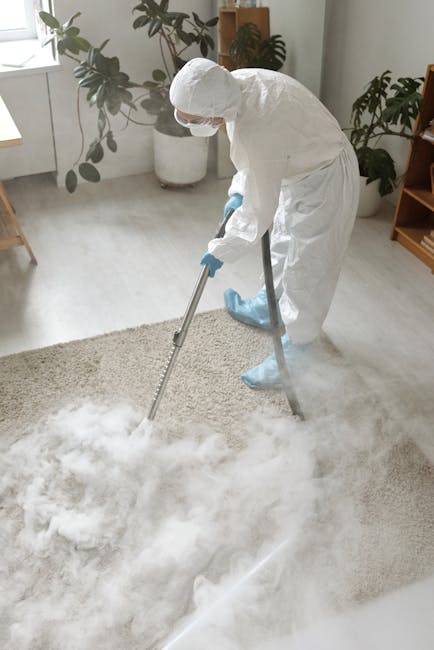
- Apply the chosen cleaning method, often hot water extraction or a low-moisture technique.
- Groom the pile if appropriate so it dries more evenly and looks tidier.
- Allow drying with ventilation and sensible room use restrictions.
That sounds simple, but the detail matters. For instance, a wool carpet in a Strawberry Hill terrace will not always respond the same way as a synthetic carpet in a rental flat. Wool can be beautifully resilient, yet it is also more sensitive to over-wetting and harsh chemistry. A synthetic pile may tolerate more aggressive treatment, but it still should not be soaked or scrubbed like a stubborn kitchen floor. Nobody wants a carpet that feels crunchy, patchy, or oddly sticky afterwards. Been there, regretted that.
Professional providers often combine carpet care with related services if the home needs more than one type of surface cleaned. A room that needs carpet attention may also benefit from upholstery cleaning or rug cleaning, especially when sofas, runners, and fitted carpets all share the same dust load.
Key Benefits and Practical Advantages
Carpet cleaning is not just about making a room look better for one afternoon. Done properly, it changes how the space feels and how manageable it is day to day.
- Better appearance: colours look clearer, the pile stands up better, and high-traffic lanes become less obvious.
- Improved freshness: lingering odours from pets, cooking, or damp shoes are reduced rather than masked.
- Longer carpet life: embedded grit acts like sandpaper underfoot, so removal helps slow wear.
- Healthier-feeling rooms: while cleaning is not a medical fix, removing settled dust can make a home feel fresher and easier to live in.
- Better results before life events: useful before moving house, hosting family, or photographing a property.
- Less stress about stains: once a carpet has been properly treated, day-to-day maintenance becomes easier.
There is also a psychological benefit people often overlook. A carpet can make a whole room feel either cared for or slightly neglected. When the flooring looks crisp, the rest of the room follows suit. You notice the sofa more, the curtains look brighter, the windows feel cleaner. Small thing, but it matters.
If your home needs a broader refresh, pairing carpet work with window cleaning or experienced cleaners can produce a surprisingly big change without turning the whole week upside down.
Who This Is For and When It Makes Sense
This guide is useful for a fairly wide range of TW1 households, but some situations make carpet cleaning especially sensible.
- Families with children: spills happen, often at the worst possible moment.
- Pet owners: fur, paw marks, and the occasional accident can build up fast.
- Renters and landlords: end-of-tenancy expectations are usually cleaner than people first think.
- Homeowners preparing for sale: fresh carpets help rooms photograph and present better.
- People sensitive to dust: a cleaner carpet can make regular maintenance easier.
- Older properties with natural fibres: these need a more careful, informed approach.
When does it make sense to book a professional rather than do it yourself? A good rule of thumb is this: if the carpet is valuable, the stain is unknown, the room dries poorly, or the job affects several rooms, professional help tends to be the smarter call. You can still handle light maintenance between visits, of course. Just don't try to "win" against every stain with the same bottle and a heroic attitude. The carpet usually wins.
For homes that need occasional support rather than a routine schedule, a one-off clean can be a practical way to bundle several jobs together. If the aim is simply to restore a lived-in home to a better baseline, that can be a very efficient route.
Step-by-Step Guidance
Here is a straightforward approach you can follow, whether you are preparing the house for a professional visit or tackling a lighter carpet refresh yourself.
- Identify the carpet type. Check whether it is wool, synthetic, blended, or a delicate natural fibre. If you are unsure, test a small hidden area first.
- Clear the room. Move lightweight furniture, toys, and clutter out of the way. You will clean better, and drying will be easier too.
- Vacuum thoroughly. Go slowly. Two careful passes are usually better than one rushed one.
- Spot treat gently. Blot, don't rub. Use the mildest suitable solution and keep moisture controlled.
- Choose the right method. Hot water extraction works well for many carpets, while low-moisture techniques can suit rooms that need faster drying.
- Work from the cleanest area to the dirtiest. Hallways and entrances often need extra attention because grit collects there first.
- Control drying. Open windows where possible, keep foot traffic light, and avoid replacing furniture too early.
- Check the result in daylight. Artificial light can hide patchiness or missed marks. Natural daylight tells the truth.
A small but useful detail: if you live in a Strawberry Hill home with older floors or shaded rooms, drying can take longer than expected. On a damp January morning, even a decent clean may need patience. That is normal. Good ventilation beats panic, every time.
If you want a more comprehensive refresh, some households combine carpet cleaning with deep cleaning so the same visit can deal with skirting lines, corners, and other often-forgotten areas. Not always necessary, but very handy when the house has built up layers of everyday life.
Expert Tips for Better Results
Here are the little things that often separate an average result from a genuinely good one.
- Vacuum before stains set in. Grit is the enemy. Once it gets trodden in, it acts like fine abrasive dust.
- Work on stains quickly, but calmly. Fast is good. Frantic is not.
- Use the least aggressive method that will do the job. More chemistry and more water are not automatically better.
- Protect high-traffic routes after cleaning. A clean carpet can be marked quickly if people walk straight across it with wet shoes.
- Lift furniture legs carefully. Heavy items can leave dents in the pile if moved too soon.
- Keep an eye on ventilation. Fresh air and time are underrated, honestly.
One useful habit is to do a quick check of entrance mats, hallways, and the space nearest radiators or sofas. These are often the first places to show wear, and the last places people think about. Strange, but true.
If you already know your carpet is not the only surface needing attention, consider pairing the clean with sofa cleaning or oven cleaning as part of a full home reset. It saves time on planning and usually feels more satisfying than doing jobs one by one for three weekends straight.
Common Mistakes to Avoid
Most carpet problems after cleaning come from a handful of avoidable mistakes. The good news is they are easy to recognise once you know what to look for.
- Over-wetting the carpet: this can slow drying, weaken backing, or leave the carpet feeling unpleasant underfoot.
- Scrubbing stains aggressively: rubbing often pushes the mark deeper or roughs up the fibres.
- Using the wrong product: bleach, strong detergents, or random household sprays can distort colour or texture.
- Ignoring fibre type: wool, polypropylene, nylon, and blends all behave differently.
- Putting furniture back too soon: damp legs can stain, and compressed pile can look uneven.
- Skipping pre-vacuuming: this leaves grit behind and reduces the effectiveness of the clean.
There is also a subtle one: expecting every stain to disappear completely. Some marks are permanent, especially if they have been there a long time or reacted with heat, light, or the wrong cleaning product. A professional can often improve them significantly, but complete removal is not always realistic. A trustworthy cleaner should say that plainly, not promise magic.
And yes, that is a bit frustrating. But it is better to know the truth than to chase a miracle that never arrives.
Tools, Resources and Recommendations
You do not need a giant kit to care for carpets properly. In fact, using too many products is often where things go sideways.
- A good vacuum cleaner: ideally with strong suction and a brush head suitable for your carpet type.
- Microfibre cloths: useful for blotting spills without spreading them around.
- A mild carpet-safe cleaning solution: always test first on a hidden patch.
- A soft brush or carpet rake: helpful for lifting pile after cleaning, where appropriate.
- Fans or good ventilation: especially useful in rooms that do not dry quickly.
For households that would rather hand the job over, it is worth looking at a reputable cleaning company that can explain method, drying expectations, and what kinds of carpets they deal with regularly. A careful cleaner will ask questions about fibre type, stains, access, parking, and room layout. That is a good sign, not an inconvenience.
It can also help to consider broader home maintenance around the same time. If the carpets were affected by building dust, for example, a visit after renovation may fit better with after builders cleaning. Tiny plaster dust gets into everything. Somehow. Always.
Law, Compliance, Standards, or Best Practice
For most homeowners, carpet cleaning is not heavily regulated in the way some specialist trades are, but there are still sensible standards to keep in mind. First, chemical products should be used in line with their instructions and with proper care around children, pets, and ventilation. Second, cleaners entering a home should work safely, communicate clearly, and avoid causing damage through poor technique.
In the UK, good practice usually means using suitable cleaning agents, protecting surfaces, managing electrical equipment sensibly, and being honest about limitations. If a business talks about safety, insurance, and customer care in a clear way, that is reassuring. You can review a provider's insurance and safety details and their health and safety policy to understand how they approach work inside occupied homes.
For local householders, this is less about paperwork and more about trust. Do they seem careful? Do they explain drying times? Do they warn you about delicate fibres or pre-existing marks? That's the standard that matters in day-to-day life.
If you are comparing service terms or payment expectations, it also helps to check the provider's terms and conditions, payment and security, and pricing and quotes information before you book. Straight answers are a good sign. Fuzzy answers usually are not.
Options, Methods, or Comparison Table
Not every carpet needs the same treatment. Here is a simple comparison to help you think through the main options.
| Method | Best for | Pros | Watch-outs |
|---|---|---|---|
| Regular vacuuming | Weekly maintenance | Quick, low cost, keeps grit down | Won't remove deep soil or stains |
| DIY spot treatment | Fresh spills and small marks | Fast, convenient, useful between cleans | Can spread stains if done badly |
| Hot water extraction | Deep clean for many synthetic and some wool carpets | Strong soil removal, refreshed feel | Needs careful drying and correct technique |
| Low-moisture cleaning | Rooms that need faster turnaround | Less drying time, practical in busy homes | May be less suited to heavy soiling |
| Professional full-room service | Move-outs, family homes, older carpets | More consistent results, expert judgement | Usually costs more than DIY |
Truth be told, the best choice is not always the "strongest" one. It is the one that respects the carpet, the schedule, and the room's ability to dry. In a compact flat, a low-moisture method may make more sense. In a family home with heavy foot traffic, deep extraction may be worth it. Different rooms, different answers. That is normal.
Case Study or Real-World Example
Here is a realistic example from a typical TW1 household scenario. A family in Strawberry Hill had a front living room carpet that looked fine at a glance but felt grey and tired up close. The house had a hallway that collected soil from school shoes, and the sitting room had a sofa placed in one corner for years, which meant the visible section of carpet had more light exposure than the hidden section beneath the furniture. Classic situation.
Instead of trying to fix everything with a single off-the-shelf spray, they first vacuumed thoroughly, moved a few pieces of furniture, and identified the main traffic path. The cleaner then used a suitable deep-cleaning method after checking fibre type and dry-time constraints. The difference was not just colour. The pile stood up better, the room smelled fresher, and the carpet felt less sticky underfoot. Small details, but they changed how the room was used.
What made this work well was not a miracle product. It was preparation, patience, and choosing the right method for the room. That is usually the pattern, to be fair.
If a home needs a wider reset around the same time, it may also make sense to combine carpet work with home cleaners or a dedicated carpet cleaner who can focus on the fibres while other rooms get general attention.
Practical Checklist
Before you clean, run through this quick checklist. It saves mistakes later.
- Identify the carpet fibre if possible.
- Check for old stains, fraying, or lifted seams.
- Vacuum slowly and thoroughly.
- Test any cleaning product on a hidden area.
- Keep water use controlled, especially on wool.
- Open windows or prepare ventilation.
- Protect nearby skirting, furniture, and hard flooring.
- Allow proper drying time before replacing heavy items.
- Avoid walking on the carpet with wet shoes or socks.
- Review the result in daylight and touch up only if needed.
Quick takeaway: if the carpet is delicate, heavily soiled, or drying conditions are poor, the safest route is usually a professional clean rather than an improvised DIY job.
Get a free quote today and see how much you can save.
Conclusion
A good carpet cleaning routine in Strawberry Hill is not about doing everything at once. It is about knowing your carpet, your home, and the level of cleaning that actually makes sense. TW1 properties vary a lot, and that means the right answer for one house may be wrong for the next door neighbour's place. There is no shame in keeping things simple, and no prize for overdoing it.
If you remember only one thing from this guide, make it this: treat the carpet like a surface with a memory. Dirt, moisture, and rough handling leave a trace. Careful cleaning, on the other hand, makes the room feel lighter, cleaner, and more settled. And that feeling lasts.
For many households, the best next step is to compare the room's condition, decide whether the job is maintenance or deep clean territory, and speak with a trusted local provider if the fibres or staining look tricky. A bit of informed care now can save a lot of trouble later. Quietly, that is often where the real value sits.
Frequently Asked Questions
How often should carpets be cleaned in Strawberry Hill homes?
Most homes benefit from regular vacuuming and a deeper clean when the carpet starts to look dull, feel sticky, or hold onto odours. Busy family homes and pet households usually need more frequent attention than a low-traffic flat.
Is DIY carpet cleaning safe for wool carpets?
It can be, but only with caution. Wool is sensitive to over-wetting and harsh products, so test first and use the mildest practical method. If you are unsure, a professional clean is usually the safer choice.
What is the best carpet cleaning method for TW1 homes?
There is no single best method for every home. Hot water extraction suits many carpets, while low-moisture methods can be better in rooms where drying time matters. Fibre type and soil level should guide the decision.
How long does carpet cleaning take to dry?
Drying time depends on the cleaning method, ventilation, carpet thickness, and room temperature. Some carpets dry fairly quickly, while thicker or more absorbent carpets may need longer. Good airflow helps a lot.
Will carpet cleaning remove all stains?
Not always. Fresh stains usually respond better than old ones, and some marks become permanent after heat, sunlight, or the wrong cleaning product has been used. A good cleaner should be honest about what can realistically improve.
Can carpet cleaning help with pet odours?
Yes, often it can reduce them significantly, especially when the odour is trapped in the pile rather than coming from the underlay. Deep, lingering smells may need more targeted treatment, though.
Should I move furniture before carpet cleaning?
Yes, where possible. Moving lighter items makes cleaning easier and improves results. Heavy furniture is usually handled with care rather than dragged around, because that is how dents and scratches happen.
Is a one-off carpet clean worth it?
Absolutely, if the carpet has built up dirt over time, the property is being prepared for guests or a move, or you simply want a fresh start. A one-off clean can make a room feel very different without committing to a regular schedule.
What should I ask before booking a carpet cleaning service?
Ask about fibre suitability, drying time, stain treatment, access needs, and what is included in the quote. It also helps to check safety, insurance, and terms so there are no surprises later.
Can carpet cleaning be combined with other services?
Yes. Many households combine it with other home services when they want a fuller refresh. Depending on the situation, that may include upholstery, rugs, windows, or a more general house clean.
What is the biggest mistake homeowners make with carpet cleaning?
Over-wetting is probably the most common mistake, followed closely by scrubbing stains too hard. Both can make the problem worse. Careful blotting and the right method matter more than brute force.
How do I know whether my carpet needs professional cleaning?
If the carpet has heavy traffic lanes, stale odours, stubborn stains, delicate fibres, or you need a reliable finish for a deadline, professional cleaning is usually the sensible option. If you are still not sure, a quick inspection and quote can help you decide.